Why SEO for AI is the Future of Brand Visibility
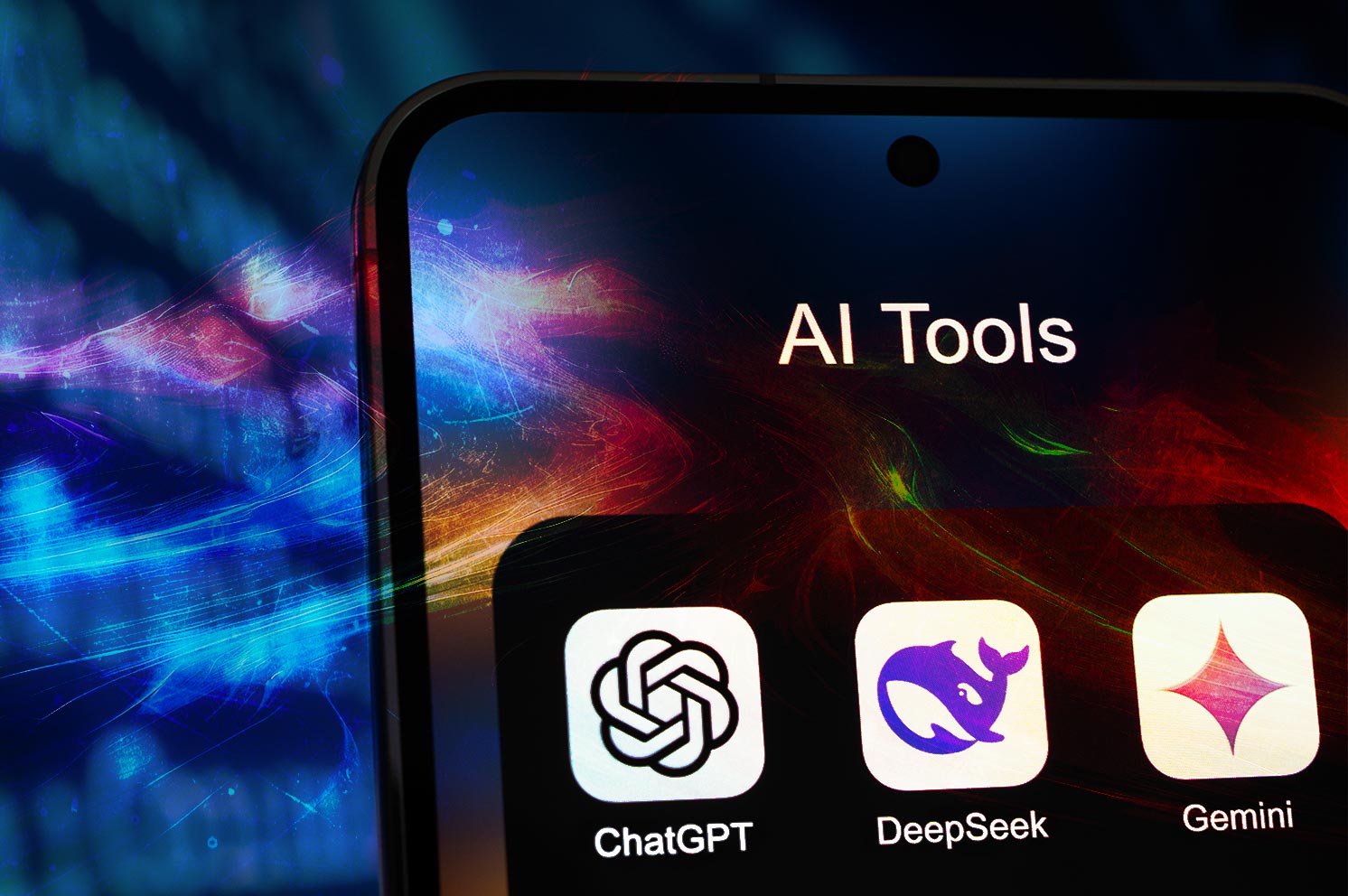
Search has changed faster than anyone expected. AI answers now sit at the top of Google through AI Overviews and the newer AI Mode, and a fast-growing share of people skip search engines altogether, asking ChatGPT, Perplexity, Copilot or Claude instead. The outcome is the same either way. If your brand is not being quoted or cited in AI-generated answers, you are effectively invisible, however well you rank in the old ten blue links.
At G&V we have been building for this shift for a while, and SEO for AI is now a service in its own right.
SEO for AI, GEO, answer engines: same goal
Call it SEO for AI, generative engine optimisation or answer engine optimisation. The goal is the same: making sure AI systems can find, understand, trust and quote your brand. Instead of writing for an algorithm that ranks pages, you are optimising to be the source an AI reaches for when it answers a question. You want to be the brand it cites, not just another result it skips.
Why it matters now
This is no longer a forecast. Google shows AI-generated summaries above the results for a huge share of queries, and those summaries only pull from sources they can parse and trust. At the same time, more and more buying decisions now start inside a chat window, where there is room for one clear answer, not a page of options.
It is already reshaping visibility for:
-
eCommerce brands losing ground to AI shopping assistants that hand over a shortlist
-
Founders in new categories that AI does not yet understand or surface
-
Content-rich sites that read beautifully to humans but are a mess to machines
What actually moves the needle
The fundamentals have not been thrown out, but the emphasis has shifted. This is where we focus now:
-
Structured data. Clean schema (Organization, Product, FAQ, Article) that spells out who you are and what you offer in a language machines read without guessing.
-
Entity clarity. Be a recognised entity, not a mystery. A consistent name, location and set of profile links across the web, tied together so AI knows exactly which brand you are.
-
Answer-first content. Lead with a clear, quotable answer, use real questions as headings and make the key facts easy to lift straight out.
-
Third-party credibility. Models lean heavily on what others say about you, so reviews, Reddit threads, trusted publications and directories now count as much as your own site. Being genuinely talked about is the new backlink.
-
Let the right crawlers in. Decide your policy on the AI bots (GPTBot, Google-Extended, PerplexityBot, ClaudeBot) and serve your content as real HTML, not locked behind JavaScript they cannot read.
-
Freshness and consistency. Keep your facts current and identical everywhere they appear. Contradictions make AI hedge, or leave you out.
How we work it
We fold SEO for AI into the wider brand, Shopify and Klaviyo work rather than treating it as a bolt-on. In practice that means AI keyword and intent mapping, structured data and semantic architecture, answer-ready content, entity and reputation building, plus tracking that watches AI mentions, not just rankings. We run it across our own venture brands, from Deadline Coffee to Tumbleseed Apothecary, before we roll it out to partners.
Four quick wins to start today
-
Add structured data to your key pages (Organization, FAQ, Product, Article) so machines stop guessing.
-
Rewrite your intros to answer the page's core question in the first sentence or two.
-
Claim your entity. Make your name, contact details and profile links consistent everywhere, and give people reasons to mention and review you.
-
Check your crawler access. Review your robots rules for the AI bots, and consider an llms.txt that points them at your best content.
The bottom line
AI is not coming for SEO. It already rewrote it. The brands that adapt now, structured, credible and easy to quote, will own the next wave of organic discovery. We are here to help you become the brand AI wants to show off.

Tell us what you're building.
If you're a lifestyle brand with something to say, we'd love to hear from you.
Get in touch